

PACKAGING HOUSE LAMP x ESCRIBÁ
Packaging House Lamp was developed as part of the transformation strategy for Pastelería Escribà, one of Barcelona’s most iconic pastry houses. At a time when the brand was seeking to connect with new audiences while preserving its rich heritage and craftsmanship, the project explored how packaging could become more than a disposable object and evolve into a meaningful extension of the brand experience.


Inspired by Escribà’s playful, imaginative, and artisanal spirit, the packaging was designed as a small architectural object that continued its life long after the product had been consumed. Rather than being discarded, the box could be transformed into a birdhouse, encouraging reuse and creating an emotional connection between the customer, the brand, and the environment.
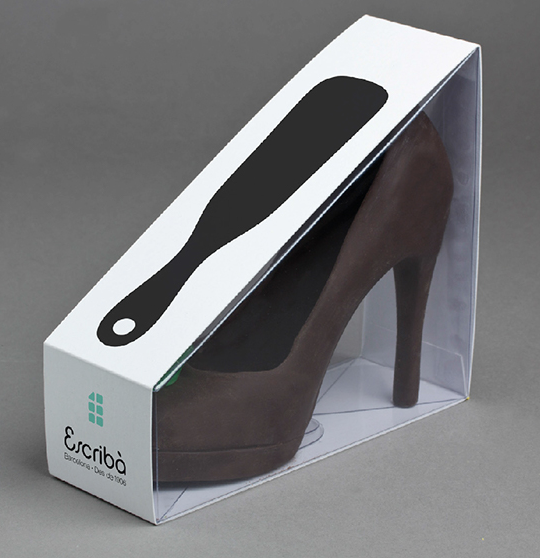
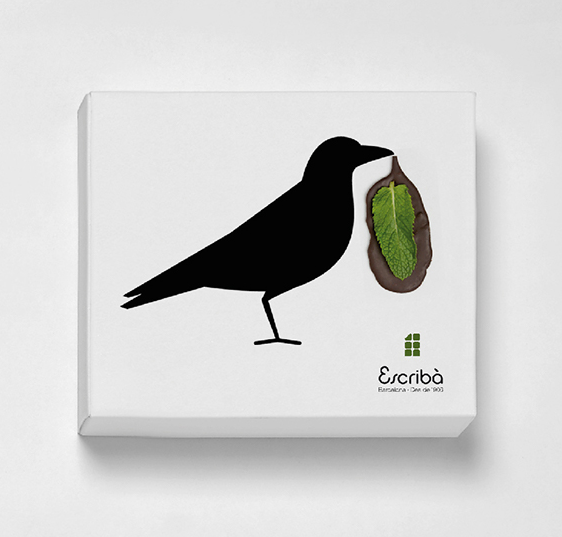
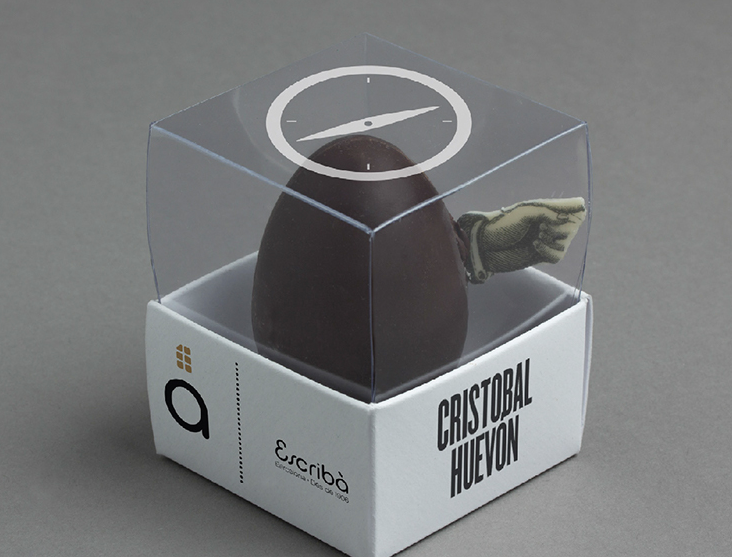
The project challenged the traditional role of packaging by introducing a second function and a longer lifespan, turning a temporary container into a lasting object. Through storytelling, design, and circular thinking, the packaging became a symbol of transformation — reflecting the broader reinvention process that Escribà was undergoing as a brand.


By combining sustainability, product design, and brand experience, Packaging House Lamp demonstrated how packaging can create value beyond the point of purchase, extending the relationship between a product and its user.
OBJECTIVE
To preserve and disseminate the historical legacy of the pastry and its development through technique as an axis of innovation, as well as elevating it to a broader context that encompasses science, art and technology.
To preserve and disseminate the historical legacy of the pastry and its development through technique as an axis of innovation, as well as elevating it to a broader context that encompasses science, art and technology.
RESULTS
1. Refresh of the brand’s identity.
2. Development of new edible products.
3. Packaging.
4. Remodeling of flagship stores.
5. Improving productivity by enhancing daily processes and introducing new technologies.
1. Refresh of the brand’s identity.
2. Development of new edible products.
3. Packaging.
4. Remodeling of flagship stores.
5. Improving productivity by enhancing daily processes and introducing new technologies.
CONCEPT DEVELOPMENT / BUSINESS MODEL / BRAND IDENTITY / BRAND ARCHITECTURE /
CONCEPT DEVELOPMENT / BUSINESS MODEL / BRAND IDENTITY / BRAND ARCHITECTURE /